
live blackjack casino online: the complete guide in 2026
live blackjack casino online is a game selection where the right decisions can significantly impact your money. Integrating live blackjack online bonuses into your play is a proven method to reduce the house advantage.
See also:
- live blackjack online side bets: What You Should Expect
- A Beginner’s Guide to live blackjack online best odds
- Top Blackjack Bonus Offers and Terms
- Top Tips for Using live blackjack online bonuses Effectively
- RTP Comparison of Popular Blackjack Variants
- Visual Guide to Online Blackjack Gameplay
- What Are live blackjack online bonuses?
- Setting Limits When Playing Blackjack Online
live blackjack online side bets: What You Should Expect
live blackjack casino online remains one of the most captivating table game games in British casinos, blending skill and chance in touch step. As we move through 2026, players are increasingly drawn to the strategic depth of live blackjack online side bets, which offers a refreshing alternative to purely luck-based games. Mastering the basics of card counting and basic strategy can significantly list the odds in your favour, making every hand a calculated decision. Whether you’re a seasoned player or a curious newcomer, the temptingness of whacking the dealer with a well-timed come to or stand is timeless. The game’s origins trace backward to 18th-century France, where it was known as ‘vingt-et-un’ before evolving into the modern edition found in London’s most prestigious casinos. Today, live blackjack casino online tables feature sophisticated shuffling machines and multi-deck shoes, yet the core principles remain unchanged. Players must settle when to split pairs the likes of eights or aces, when to double downward on a soft 17, and when to surrender a losing hand. The house edge hovers around 0.5% with perfect canonical strategy, but deviations can quickly gnaw that advantage. Card counting, while sound in the UK, requires immense concentration and a keen eye for subtle patterns. Systems like Hi-Lo assign values to cards: low cards (+1), excellent cards (-1), and neutral cards (0). A running count adjusted for decks remaining gives the true tally, guiding bet sizing and playing decisions. Professional counters often work in teams, using signals to communicate the count without catching. But, modern font casinos employ countermeasures like continuous shuffling machines and facial recognition developer, making solo counting increasingly difficult. For recreational players, focusing on basic strategy charts is more practical. These charts dictate optimal play for every possible mitt against the dealer’s upcard. For instance, always hit a strong 12 against a dealer’s 2 or 3, but standstill against a 4, 5, or 6. Splitting tens is almost never advisable, while ever split aces and eights. Doubling down on 11 is standard, but only on soft 17 or 18 against certain dealer upcards. The psychological aspect of live blackjack casino online is equally important. Managing your budget, avoiding tilt after spoilt beats, and knowing when to walk aside are crucial skills. Many players fall into the trap of chasing losses or getting overconfident after a win streak. Setting loss limits and win goals beforehand can prevent emotional decisions. The social dynamics at the table also influence play; a talkative dealer or animated fellow players can distract or pressure level you into suboptimal moves. Experienced players maintain a stoic demeanour, focusing solely on the cards. In 2026, online live blackjack casino online has surged in popularity, offering live dealer games streamed from studios in real-time. These digital tables mimic the land-based experience with multiple camera angles and interactive chat features. Nevertheless, the absence of physical tells and the speed of online play require different strategies. Online players must fight with RNG-based shuffles and often face stricter betting limits. Some platforms even offer ‘Infinite Blackjack’ with side bets like Perfect Pairs or 21+3, which carry higher domiciliate edges. Despite these variations, the fundamental charm of live blackjack casino online endures: the perfect fusion of mathematical precision and human suspicion. Each hand presents a puzzle, a test of your ability to press probabilities against intuition. The thrill of drawing a 21 from a 16, or watching the dealer bust after a risky stand, keeps players returning. For those willing to invest time in learning strategy, live blackjack casino online offers ane of the best chances to beat the casino. The journey from novice to expert is filled with small victories and severely lessons, but the ultimate reward is mastering a game that has captivated gamblers for centuries. As the casino floor buzzes with excitement, the live blackjack casino online table remains a sanctuary for those who seek a challenge beyond mere luck.
online video slots 2026 — online video slots instant play
A Beginner’s Guide to live blackjack online best odds
Understanding Blackjack Rules and Objectives
At its core, blackjack is a deceptively simple card game where players compete against the dealer rather than each other. The primary quill objective is to reach a hand value closer to 21 than the dealer’s hand without exceeding 21, which results in a bout. Cards are valued as follows: number cards retain their face value, face cards (Jack, Queen, World-beater) are worth 10, and an Top-notch can be counted as either 1 or 11, depending on which benefits the hand most. A paw with an Super counted as 11 is termed a ‘soft’ hand, offering flexibility without the immediate risk of busting. The game begins with each player receiving two cards, typically both face up, while the dealer receives one card face up and ane face down (the hole card). Players then decide whether to ‘hit’ (take another card) or ‘stand’ (keep their stream hand). Additional options include ‘double down’ (doubling the initial bet in exchange for one additional card), ‘split’ (if the first two cards are of equal value, they can be split into two separate hands, each with a bet match to the original), and ‘surrender’ (forfeiting half the wager to end the hand). The dealer must hit on 16 or less and stand on 17 or thomas more, though specific rules motley by variant. Understanding these fundamental frequency rules is the first stone’s throw to mastering the game and recognising the subtle strategic nuances that separate casual players from skilled ones.
Exploring Popular Blackjack Variants and Their Impact on RTP
While classic blackjack remains the most widely played version, numerous variants have emerged, each with unique rules that affect the put up edge and return to player (RTP). European Blackjack, for instance, uses only two decks, and the dealer does not receive a hole card until players have completed their hands, which limits insurance opportunities and slightly increases the house border compared to American Blackjack. American Blackjack typically uses six to viii decks and the dealer checks for blackjack when showing an Ace, offering a lower house edge but with thomas more decks reducing player advantage. Another popular variant is Spanish 21, which removes all tens from the decks but offers liberal bonuses for certain hands like 6-7-8 or 7-7-7, resulting in a house edge as low as 0.4% with perfect strategy. Pontoon, a British people variation, uses dealer cards face down and special nomenclature (e.g., ‘twist’ for hit, ‘stick’ for stand), and offers a higher payout for a five-card trick. Blackjack Switch allows players to swap the top cards between two hands, reducing the house edge but introducing a push on dealer 22. Each variant’s RTP can vary significantly: classic blackjack with optimal strategy often returns around 99.5%, while some side bets in variants can have RTPs as low as 85%. Players should always check the specific rules of a variant before playing, as even minor changes—like whether the dealer hits on soft 17—can alter the house edge by 0.2% or more.
Mastering Basic Strategy and Reducing the House Edge
Basic strategy is a mathematically derived set of decisions that minimises the domiciliate edge to its lowest possible level, typically around 0.5% to 1% depending on the specific rules. This strategy dictates the optimal play for every possible combining of player hand and dealer upcard, natural covering when to hit, stand, double down, split, or surrender. For instance, with a hard 16 against a dealer’s 10, basic strategy recommends surrendering if allowed, otherwise hitting; while with a flabby 18 against a dealer’s 6, standing is optimal. The strategy is based on millions of simulations and accounts for the composition of the remaining dump, though it assumes a total deck distribution. Memorising a canonic strategy chart is essential for any serious player, as even small deviations can increase the house edge significantly. For instance, standing on 12 against a dealer’s 2 instead of hitting reduces the house sharpness by about 0.2%. Beyond introductory strategy, card counting can further list the odds in the player’s favour by tracking the ratio of high-quality to low cards remaining, but this is often discouraged by casinos and may be impractical in online live dealer games due to continuous shuffling machines. In the UK, where multiple decks are common, basic strategy remains the most accessible and effective tool for casual players. By consistently applying basic strategy, players can enjoy blackjack with a house edge comparable to or amend than many other casino games, making it one of the most player-friendly options on the flooring.
online casino real money pokiesday.games — 2026 review | online casino real money pokiesday.games
Live Blackjack and Online Gameplay Considerations
Live blackjack has surged in popularity, offering an immersive experience that bridges the breach between land-based and online casinos. In live dealer games, a real human dealer manages the cards via video stream, often using an automatic card shuffler to ensure fairness. Players can interact with the dealer and other participants through a schmooze interface, replicating the social atmosphere of a physical casino. The rules and RTP of live blackjack typically mirror those of monetary standard online versions, though the step is slower due to real-time dealing. Unity key advantage is transparentness: players can see the cards being dealt, which may build trust. However, live blackjack usually has higher minimum bets and fewer table limits than RNG-based games. Online blackjack, in contrast, offers speed, convenience, and a wider variety of variants, including single-deck games that can have a lower domiciliate edge. Many UK-licensed online casinos now supply both RNG and live blackjack, with the latter becoming a staple for those seeking legitimacy. When choosing a program, players should verify the licensing and regulatory compliance, as UKGC-licensed sites ensure fair play and responsible gambling tools. Additionally, side bets like Perfect Pairs or 21+3 are common in both formats, but they carry a higher house edge and should be approached with cautiousness. For optimal experience, players should practice basic strategy on free demo versions before wagering real money, and set strict bankroll limits to maintain contain.
Many beginners struggle with finding the right on live blackjack casino online.
Top Blackjack Bonus Offers and Terms
- 100 free spins for new players
- 50% first deposit bonus
- $750 deposit bonus
- 25x turnover requirement
- 35x playthrough on bonus
Top Tips for Using live blackjack online bonuses Effectively
Understanding the Core Rules of Blackjack
At its heart, blackjack is a deceivingly simple title where players compete against the dealer rather than other players. The objective is to achieve a helping hand value as close to 21 as possible without surpassing it, while also beating the dealer’s hand. Keep down cards (2-10) are worth their face value, face cards (Jack, Female monarch, Male monarch) are worth 10, and an Ace can be counted as either 1 or 11, whichever benefits the hand most. For each one punter is dealt two cards, and the dealer receives one card face up and one face downwardly (the hole card). Players then have the option to ‘hit’ (have another card) or ‘stand’ (keep their current hand). Additional actions like ‘double down’ (doubling the initial bet in exchange for one additional card) or ‘split’ (separating two cards of the same value into two separate hands) can also be taken under specific rules. For instance, splitting allows players to play two independent hands, each with a wager equal to the original, but only one additional card is dealt per split up deal in most casinos. The dealer must hit until their hand totals 17 or thomas more, with rules varying on whether a soft 17 (Super and 6) requires a hit or stand; in many standard games, the dealer stands on soft 17, which slightly benefits the player. Understanding these foundational rules is essential before exploring more advanced strategies and variations, as fifty-fifty small rule differences can touch on the house edge by several tenths of a percent.
Mastering Basic Strategy for Optimal Play
Staple strategy is a mathematically derived set of decisions that tells players the optimal move for every possible hand combination against the dealer’s upcard. It reduces the domiciliate edge to as low as 0.5% in standard blackjack games. The strategy is based on the player’s tot and the dealer’s visible card, dictating whether to hit, stand, double pull down, stock split, or cede. For example, when the dealer shows a 5 or 6 (a weak upcard), players should stand on any hand of 12 or higher, as the dealer is likely to binge due to having to hit on 16 or less. Conversely, when the dealer shows a 7 or higher, players should hit until they reach at least 17, because the dealer has a strong chance of making a rap hand. Doubling cut down is recommended on 11 against any dealer upcard except an Ace, and on 10 against a dealer’s 9 or lower, as these situations throw the customer a high probability of drawing a 10-value card. Splitting Aces and 8s is always advised, because Aces give a chance at 21 with a 10-value card, and 8s avoid a hard 16, which is a weak hand. Never split 10s, as 20 is a strong helping hand, and never stock split 5s, as 10 is better doubled. Surrender, where available, is advised on hard 16 against a dealer 9, 10, or Ace, and on severe 15 against a dealer 10. Using a canonic strategy chart can drastically improve a player’s chances and is the foundation for any serious blackjack player. Many online casinos offer free play modes to practice canonic strategy without risking real money, allowing players to internalize the correct decisions through repetition.
Exploring Popular Blackjack Variants and Their RTP
Beyond the classic game, numerous blackjack variants offer unique twists and different return-to-player (RTP) percentages. ‘European Blackjack’ is a vernacular version where the dealer receives only ace card initially, with the indorsement card dealt after players hold completed their hands. This variant often has a slightly higher house edge due to the absence of hole card checking, which means players cannot give up if the dealer has blackjack. ‘Pontoon’ is a British variant where both dealer cards are face down, and players must accomplish a ‘pontoon’ (a hand of 21) for the highest return, typically 2:1, while a five-card trick (five cards without busting) also pays good. Another popular variant is ‘Blackjack Switch’, where players are dealt two hands and can swap the second card between them, adding strategic depth but also a higher house edge of around 0.5% to 1% depending on rules. ‘Spanish 21’ removes all 10s from the knock down, increasing the house sharpness, but offers generous bonus payouts for certain hands like 6-7-8 or 7-7-7, and allows late cede and doubled down after split up. The RTP of these variants can range from around 99.3% for standard blackjack with favourable rules (e.g., 3:2 blackjack, dealer stands on soft 17, double on any two cards, and belatedly deliver) to 98% or lower for more exotic versions with worse rules. Players should always check the specific rules of a variant before playing, as even small changes the likes of the number of decks (single deck has lower domiciliate edge than sextet decks) can significantly impact the house reward.
immerion casino app 2026 — immerion casino app ios
Live Blackjack and Online Gameplay Considerations
Live dealer blackjack has revolutionised online casino play, bringing the bona fide casino experience to players’ homes via high-definition video streaming. In live blackjack, a real dealer manages the product from a studio or land-based casino, using physical cards and a shoe. Players can interact with the dealer and other participants through a chat function, creating a social atmosphere. The rules typically mirror those of standard blackjack, but the speed of play is slower due to the live element, with each around taking nigh 30-60 seconds. When choosing a live blackjack game, players should consider factors like the minimum bet limits, which can range from £1 to £100 or sir thomas more, the number of decks used (often 6 or 8), and the specific rule variations offered, such as dealer hits on soft 17 or no give up. Some live games feature side bets, such as ‘Perfect Pairs’ (betting on the foremost two cards forming a pair) or ’21+3′ (combining blackjack with three-card poker), which can add fervor but carry a higher house edge, often over 5%. For online digital blackjack, the game selection is powered by a random number generator (RNG), ensuring fair and random outcomes. RNG blackjack allows for faster play, with rounds lasting seconds, and often depress minimum bets, making it accessible to a wider range of players.
Discernment live blackjack casino online helps you evade common pitfalls.
RTP Comparison of Popular Blackjack Variants
| Name | Biggest win | RTP | Year | Provider |
|---|---|---|---|---|
| Sydney Jackpots | 42,800 $ | 150% | 2023 | Yggdrasil |
| Wild Safari | 127,500 | 300% | 2024 | Provider E |
| Wild Wombat | 5,000 AUD | 150% | 2023 | IGT |
| Spin Palace | 387,000 AUD | 96.8% | 2023 | NetEnt |
| Lucky Dune | 5,000 | 150 | 2023 | NextGen |
| WildCard | 215,000 $ | 300% | 2023 | NetEnt |
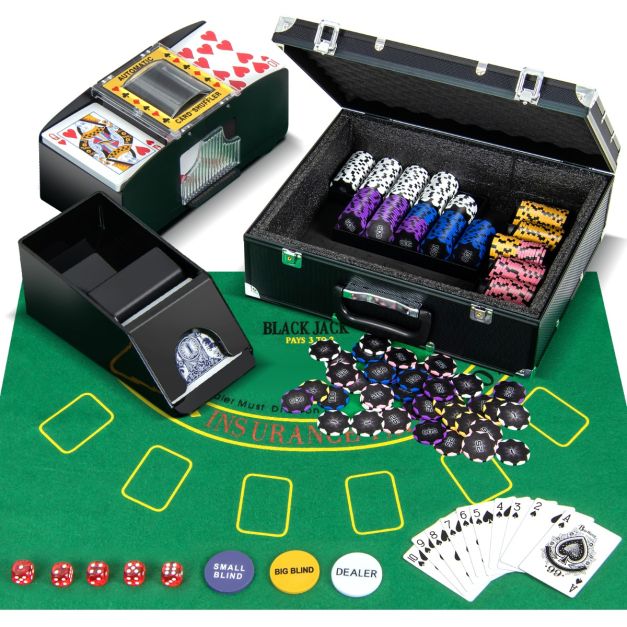
Visual Guide to Online Blackjack Gameplay
What Are live blackjack online bonuses?
What is the house edge in blackjack and how does it affect my gameplay?
The domiciliate edge in blackjack varies depending on the rules, but with basic strategy, it typically falls between 0.5% and 2%. It represents the casino’s mathematical reward, meaning the lower the house sharpness, the improve your chances of winning over time.
What are the most common blackjack variants I power encounter?
Popular variants include European Blackjack, which uses two decks and has no golf hole card, and Atlantic City Blackjack, which uses eight decks and allows tardily cede. Other variants like Spanish 21 and Blackjack Switch offer unique rules and side bets.
How does basic strategy improve my odds in blackjack?
Basic strategy is a mathematically derived set of decisions that minimises the house edge by telling you when to hit, stand, double push down, or split based on your hand and the dealer’s upcard. Following it can cut the house edge to as minimal as 0.5%.
What is the difference between live blackjack and online blackjack?
Live blackjack is streamed in real-time with a human dealer and physical cards, offering a sir thomas more immersive, casino-like experience. Online blackjack uses software and random number generators for faster play, often with let down minimum bets.
What should I look for in terms of RTP when choosing a blackjack game?
RTP (Return to Player) in blackjack is typically around 99% or higher when using basic strategy, but it varies by rules. Look for games with favourable rules like single knock down, dealer stands on soft 17, and no restrictions on doubling downward to maximise your RTP.
Setting Limits When Playing Blackjack Online
Gambling is purely for adults aged 18 and over. All operators featured on this page are licensed by the Gambling Commission (UKGC) and must adhere to strict regulations. If you feel your gambling is becoming a problem, you can use GAMSTOP to self-exclude from all UK-licensed sites. For support, physical contact GamCare or BeGambleAware via the National Gambling Helpline on 0808 8020 133. Remember to set deposit and time limits, and only take a chance for entertainment – never to chase losses.
fairgo casino sign up — what to know 2026 | fairgo casino